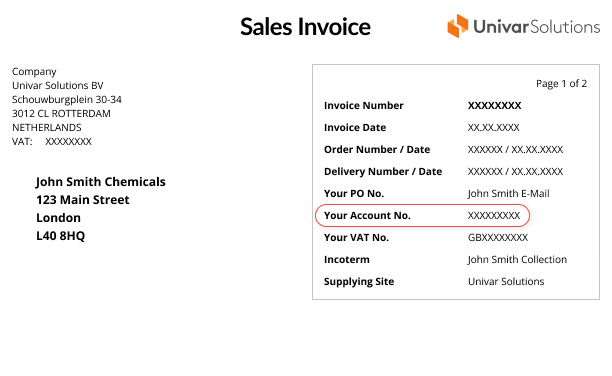

Complete the following form to download your document.
Circular Materials
Let’s work together
If you’re looking to incorporate circular materials into your products, our teams can help. We work with suppliers to identify materials with verified circular content, including recycled, reused, recovered, or reprocessed products.
Why do circular materials matter?
Circular materials support the transition from a linear “take-make-dispose” model to a circular economy by keeping resources in use longer. By recovering and reprocessing waste and residues, manufacturers reduce reliance on virgin feedstocks, minimize waste, and help lower environmental impacts associated with extraction and disposal. Incorporating circular materials can also help organizations meet sustainability targets, improve resource efficiency, and respond to increasing regulatory and consumer expectations.

What it means
Circular materials are produced from the recovery and reprocessing of wastes or residues, including both pre-consumer and post-consumer waste streams. Circular materials may be fully circular (physically segregated) or partially circular through controlled blending or mass balance approaches.
Examples of circular materials include:
- Recycled plastics or petrochemicals (chemical or mechanical recycling)
- Recycled or reclaimed metals
- Biodiesel produced from waste oils
- Products derived from food processing waste
- Products derived from crop residues (e.g., furfural)
- Reprocessed loop solvents and industrial processing materials
- Upcycled materials (e.g., d-limonene from orange peels)
- Sodium bicarbonate produced via carbon capture
- Tall oil from the kraft wood pulping process
How it works
Circular materials are identified and validated based on their origin and processing pathway. This involves:
- Tracing feedstocks back to waste or residue sources
- Verifying the recovery and reprocessing process
- Quantifying circular content by mass
- Applying accounting methods such as physical segregation, controlled blending, or mass balance
The ISCC PLUS framework is used to determine whether inputs qualify as waste or residues. Supporting evidence ensures transparency around material flows and distinguishes circular content from virgin inputs.


Criteria and Standards
Supplier documentation that confirms the circular status of the product is typically required to support the Circular Materials characteristic. This documentation may also be supported by recognized frameworks and certifications, such as ISCC PLUS or Upcycled Certified. These standards help validate recycled or circular content and ensure consistency in accounting and traceability.

Supporting Documentation
Acceptable documentation to substantiate circular materials includes:
- Supplier statements confirming recycled, reused, recovered, or reprocessed nature, including circular content by mass
- ISCC PLUS certification
- Upcycled Certified product labels
- SCS Global Recycled Content certificates
- RecyClass certification documentation
- EuCertPlast certification with declared recycled output
- Process flow diagrams showing material flows and explicitly distinguishing circular versus non-circular inputs

Let's Work Together
If you’re looking to incorporate circular materials into your products, our teams can help. We work with suppliers to identify materials with verified circular content, including recycled, reused, recovered, or reprocessed products.
Explore our Sustainable & Natural product framework
Circular materials is one of the characteristics within the Univar Solutions Sustainable & Natural Product (SNP) framework, alongside Bio-based, Natural, Carbon footprinting, Safer substitutes, Biodegradable and/or Compostable, Social impact accreditation, and Environmental impact accreditation. Together, these characteristics help you see how feedstock choices, performance, and end-of-life behaviour fit into a broader view of product-level sustainability attributes and trade-offs.
Explore our accredited products
Looking for circular material options across your applications? Browse our SNP-classified portfolio to find materials supported by recognized recycled or circular content certifications and documentation. From plastics and solvents to specialty chemicals and intermediates, discover solutions that incorporate waste- or residue-derived inputs and help advance your circularity, performance, and sustainability objectives—alongside your own regulatory and labelling assessments for finished products.
NOTICE: All product information is provided in good faith and is believed to be accurate as of the date of publication based on information received from the supplier and secondary databases. However, Univar Solutions is not able to verify whether third-party data is accurate, complete, and up-to-date and assumes no responsibility, obligation, or liability for the information provided. NO GUARANTEES OR WARRANTIES ARE GIVEN AND ALL IMPLIED WARRANTIES, SUCH AS THOSE OF MERCHANTABILTIY OR FITNESS FOR A PARTICULAR PURPOSE, ARE EXPRESSLY EXCLUDED. Customer is solely responsible for determining whether products and/or the information provided are appropriate for Customer’s use, and Customer assumes all risk and liability in acting on the information provided.
Our Suppliers also sign our Supplier Code of Conduct so you can be assured that we are working throughout our supply chain to transparently create our Sustainable & Natural Products Portfolio.